Dominate the Slopes: A In-Depth Guide to Winter Recreation with Ski-Doos
Within "Conquer the Slopes: A Thorough Guide to Ski-Doos and Winter Fun," vital insights are provided for both novice and seasoned riders. The guide addresses critical aspects, from picking the appropriate Ski-Doo model to understanding protection and maintenance. It also examines popular trails appropriate for different skill levels. As winter approaches, knowing how to prepare and connect with the Ski-Doo community becomes increasingly important. What could be the key to enhancing your experience?
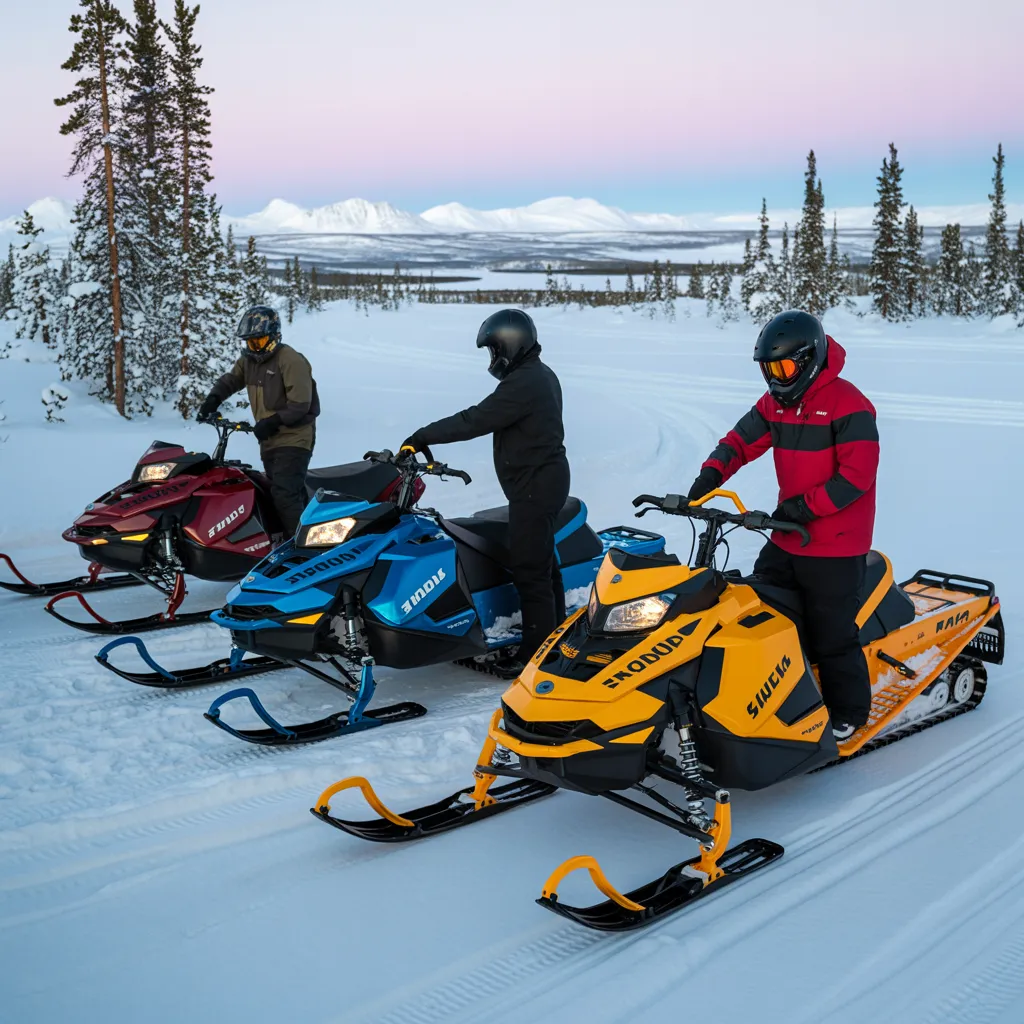
How to Choose the Best Ski-Doo Model for Your Next Trip
In choosing the perfect Ski-Doo model for a winter excursion, riders often ask themselves which features will best satisfy their expectations. Critical considerations include the terrain type, riding style, and the sought-after level of performance. For those traversing groomed trails, models with nimble designs and smooth handling are essential. In contrast, off-trail riders may opt for more durable options with enhanced suspension systems for navigating challenging landscapes.
Engine size plays a significant role; bigger engines offer speed and power, while smaller alternatives deliver improved fuel economy. Storage capacity is another important factor, especially for longer outings. Potential buyers should also evaluate comfort features, like seating and ergonomics, to ensure an enjoyable ride.
Last but not least, researching customer reviews and consulting with local dealers can provide valuable insights. By meticulously evaluating these components, enthusiasts can locate the perfect Ski-Doo model to elevate their winter adventures.
Planning Your First Ski-Doo Journey
Before embarking on their first Ski-Doo ride, beginners should emphasize adequate preparation to ensure a safe and pleasant experience. Understanding the Ski-Doo model is vital; studying the user manual aids in understanding controls and features. Dressing in layers is crucial, as winter temperatures can fluctuate. Appropriate gear, including a helmet, gloves, and goggles, enhances comfort and safety.
Picking a appropriate riding spot is critical as well. Those new to riding should select designated trails that are well-marked and less congested. It is best to ride with a partner, especially for those just starting out, as this offers added support and help.
Finally, inspecting the Ski-Doo's fuel, oil levels, and general condition before heading out ensures top performance. By implementing these preparatory measures, first-timers can improve their readiness and confidence, paving the way for a unforgettable experience on the slopes.
Key Ski-Doo Safety Guidelines for a Great Ride
When embarking on a Ski-Doo journey, safety should remain the primary concern. Donning correct protective gear can substantially decrease the chance of harm, while staying conscious of your environment improves trail safety. These key recommendations are necessary for maintaining a pleasant and protected adventure.
Wear Proper Safety Gear
Donning appropriate safety gear is essential for an pleasant Ski-Doo experience. Riders should give priority to helmets, as they guard against head injuries in the case of falls or collisions. Goggles or visors are essential for maintaining visibility in challenging winter conditions, protecting eyes from wind, snow, and debris. Additionally, insulated, waterproof clothing helps regulate body temperature while keeping the rider dry. Gloves or mittens are necessary to protect hands from cold and enhance grip on controls. It is also wise to wear sturdy, insulated boots to guarantee comfort and stability. Lastly, reflective gear can increase visibility for others on the trails, ensuring safety. By utilizing the right safety gear, riders can fully enjoy their Ski-Doo adventures.
Be Aware of Your Surroundings
Comprehending the terrain is vital for a safe Ski-Doo experience. Riders need to be aware of the terrain, weather conditions, and potential hazards. Being familiar with local trails and regulations improves safety, as some areas may have restrictions or require specific permits.
Staying alert to changing weather is critical; visibility can decline rapidly, hindering navigation. Riders should also be attentive to other snowmobiles, wildlife, essential information and natural obstacles like trees or ditches.
Before heading out, it's wise to notify someone of the proposed route and expected return time. Carrying a map or GPS device can help with keeping orientation. Overall, knowledge of the environment provides a more seamless, more enjoyable ride while minimizing the risk of accidents.
Key Maintenance Guidelines for Your Ski-Doo
Appropriate maintenance is crucial for maximizing the functionality and lifespan of a Ski-Doo. Regular oil changes and a comprehensive track inspection checklist are essential practices that every owner should follow. These practices not only provide a smoother ride but also enhance safety on winter adventures.
Scheduled Oil Changes
Preserving ideal performance in a Ski-Doo relies on regular oil changes, a vital aspect of its upkeep. Engine oil lubricates vital components, reducing friction and preventing wear. Over time, oil deteriorates and becomes contaminated, which can lead to decreased efficiency and potential engine damage. It is recommended that owners check the oil level frequently and change it based on the manufacturer's specifications, typically after every 1,000 kilometers or annually, whichever comes first. Using the correct oil type is equally important, as it provides optimal performance and protection. Neglecting oil changes can lead to costly repairs, underscoring the significance of this routine maintenance task for prolonging the life of the Ski-Doo and improving the overall riding experience.
Track Examination Checklist
Ski-Doo maintenance involves regular oil changes, but track inspection is equally crucial for peak performance. A comprehensive track inspection checklist guarantees the Ski-Doo functions safely and smoothly. First, inspect for any visible damage, such as tears or punctures in the track. Next, verify the alignment and tension of the track; inadequate tension can result in increased wear and tear. Inspect the drive belt for symptoms of fraying or wear, and make sure the track's clips are secure. In addition, inspect the slides for wear and replace them if necessary. Finally, cleaning the track and removing ice buildup can boost performance. Regular adherence to this checklist will lengthen the life of the Ski-Doo and provide a safer riding experience.
Premier Ski-Doo Trails for All Skill Levels
Investigating leading Ski-Doo trails offers enthusiasts a varied range of experiences designed to all skill levels. For newcomers, trails like the beautiful River Valley Trail offer gentle slopes and breathtaking views, guaranteeing a comfortable introduction to the sport. Mid-level riders may find excitement on the demanding Mountain Ridge Trail, which presents thrilling turns and diverse terrain, perfect for honing skills. Expert enthusiasts can conquer the rugged Summit Trail, known for its sharp inclines and exciting descents, demanding both technique and endurance.
Moreover, family-friendly options such as the Cozy Pine Trail present a mixture of gentle pathways and picturesque stops, making it perfect for group outings. Each trail showcases unique landscapes, from peaceful forests to stunning mountain vistas, accommodating a wide audience. No matter skill level, Ski-Doo enthusiasts can locate trails that not only test them but also improve their winter experience.
Top Accessories for Ski-Doo Enthusiasts
After choosing the best trail, Ski-Doo enthusiasts can elevate their riding experience with the proper accessories. Crucial items include a premium helmet for safety, providing protection against impacts and the elements. Goggles with UV protection are necessary for visibility in sunny conditions and snowy environments.
Moreover, a well-fitted and insulated riding suit can greatly improve heat retention and flexibility, making long rides more pleasant. Hand and foot warmers are invaluable for maintaining comfort during freezing temperatures.
For individuals who prefer longer excursions, a robust backpack or cargo bag offers plenty of storage for essentials. A first aid kit is also advised for emergencies.
At last, a GPS or smartphone mount helps keep riders on track, enabling easy navigation of trails. With these accessories, Ski-Doo enthusiasts can completely immerse themselves in winter adventures while maintaining focus on safety and comfort.
FAQ
What Are the Best Winter Clothing Options for Ski-Doo Riding?
The top winter clothing items for Ski-Doo riding include insulated, waterproof jackets, thermal base layers, wind-resistant pants, and durable gloves. In addition, wearing a helmet and goggles improves safety and comfort during cold and snowy weather.
What's the Safest Method for Transporting My Ski-Doo?
For safe Ski-Doo transportation, you should use a suitable trailer, secure the machine with straps, and guarantee it is properly balanced. Furthermore, check tire pressure and lights before starting the journey.
Do Ski-Doo Riding Groups or Communities You Can Join?
Yes, there are numerous ski-doo riding clubs and communities out there. These groups typically give opportunities for socializing, organized rides, and sharing experiences, helping for enthusiasts to connect and elevate their riding adventures.
Typical Ski-Doo Troubleshooting Tips: What Are They?
Common ski-doo troubleshooting tips include checking fuel levels, inspecting spark plugs, ensuring proper oil levels, inspecting the battery connections, and verifying the condition of drive belts. Routine upkeep can avoid many issues and boost performance.
Can I Hire a Ski-Doo for a Day?
Certainly, a variety of rental agencies feature ski-doos for day-to-day use. Customers ought to verify local rental terms, accessibility, and necessary paperwork. Moreover, familiarizing oneself with rental terms and available insurance choices is suggested before completing the rental.